

What We Carry
Our lives do not begin entirely with us. Family histories, relationships, cultural memory and experiences carried across generations can shape how we understand ourselves and the world around us. This essay considers what may be inherited, what is transmitted through family and circumstance, and how experiences of ancestry and lineage can be approached without reducing them to either biology or belief.

The Meaning of a Medicine
A medicine is more than its active compounds. This essay considers what can be lost when plant medicines are understood only through pharmacology, and what remains when science, traditional knowledge, culture and the meaning of an experience are held together. Using iboga as a point of reference, it explores the questions that arise when traditional medicines enter modern therapeutic and regulatory systems.

The Language of Healing
Healing has become one of the most widely used words in contemporary therapeutic and psychedelic culture. But what does it actually mean? This essay considers the limits of the language of healing, the difference between insight and change, and why understanding and integration may sometimes matter more than the promise of being healed.

Beyond the Medicine: The Synergy of Breathwork, Psychedelics and Holistic Healing
Altered states of consciousness are not defined by a single substance or technique. Breathwork, psychedelic therapy, meditation, somatic practices and therapeutic integration can each influence the conditions in which meaningful psychological change occurs. This article explores why context, preparation and a holistic approach matter.

Beyond The Booth: Protecting Mental Health in a Life Built Around High Performance
For internationally touring artists, constant movement can come with a hidden psychological cost: disrupted sleep, isolation, performance pressure, substance exposure and the loss of ordinary routines. This article explores how artists can build sustainable rhythms of recovery, regulation and psychological support — including psychedelic therapy where clinically appropriate.

When Success Becomes the Problem: Rethinking Addiction in High-Performing Lives
Addiction does not always look like dysfunction. For high-performing individuals, substance use can remain hidden behind achievement, travel, influence and professional success. This article explores the particular dynamics of addiction in high-functioning lives and the emerging role of psychedelic-assisted therapy within carefully structured treatment.
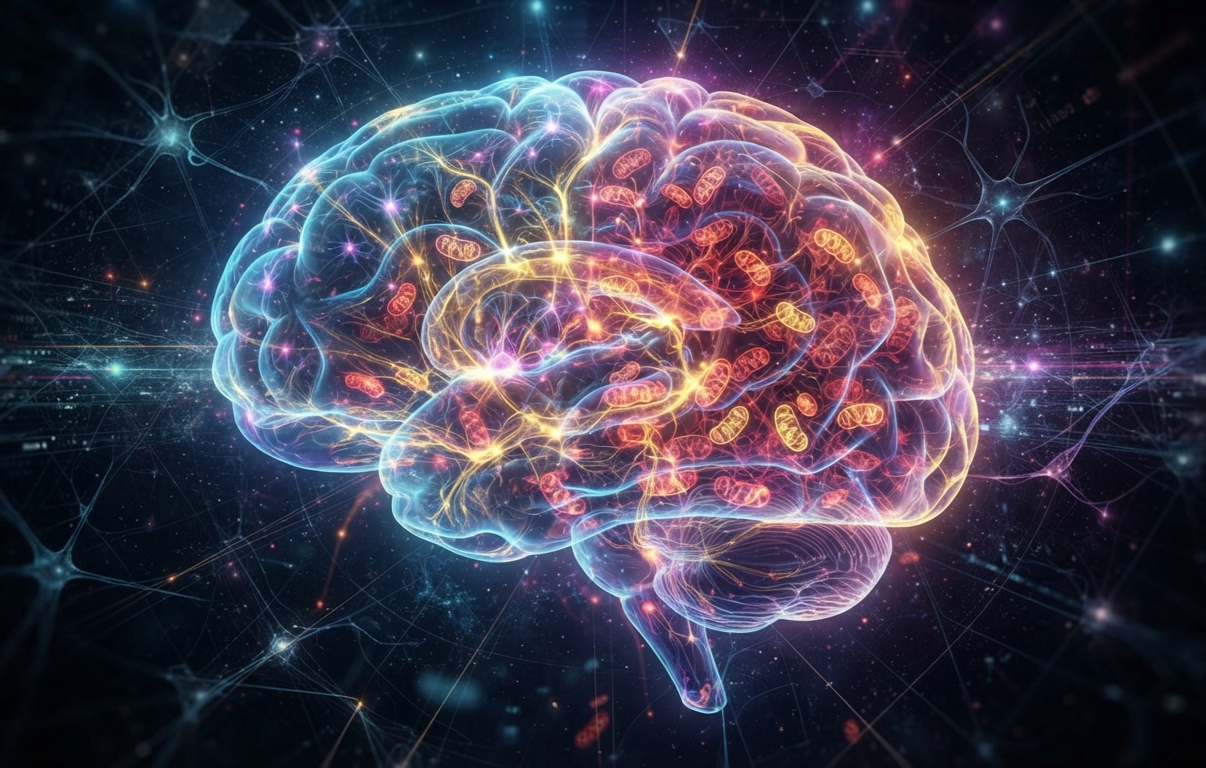
Psychedelics as Bioenergetic Modulators
Psychedelics may influence brain change not just through psychology, but by temporarily shifting neural energy dynamics. Emerging research suggests mitochondria play a key role in regulating neuroplasticity, reframing transformation as a bioenergetic process where the brain’s capacity for change depends on metabolic readiness, network flexibility, and cellular energy availability.

The Future of Psychedelic Therapy: Long-Term Containers, Deep Healing Arcs, and the New Model of Human Transformation
Psychedelic therapy is evolving beyond one-off experiences into structured, long-term containers designed for deep transformation. These trauma-informed arcs support healing across addiction, executive burnout, and developmental trauma by integrating ketamine, psilocybin, MDMA, and plant medicine with sustained integration work. The focus is no longer on intensity alone, but on building lasting nervous system stability, identity reconstruction, and meaningful life change over time.
Addiction as Relational Nervous System Collapse
Addiction is being reframed as relational nervous system collapse- not just substance use, but a response to disrupted regulation, trauma, and attachment failure. Recovery now focuses on rebuilding safety, co-regulation, and relational connection rather than stopping behaviour alone.

5-MeO-DMT and the Ego-Dissolution Aftermath Gap
Clinicians working with 5-MeO-DMT are seeing that the real challenge is not ego dissolution, but what follows: identity reconstruction, relational re-entry, and existential grounding. The “who am I now?” phase often becomes the most destabilising - and important - part of integration.
Epigenetics and Biomarkers: The Language of Psychedelic Therapy
Epigenetic and biomarker tracking is redefining psychedelic-assisted therapy by enabling measurable biological insight into recovery.
This approach links treatment protocols to neurobiological change, supporting precision dosing, sequencing, safety, and long-term outcome optimisation.

The Transformative Role of Breathwork in Holistic Healing and Plant Medicine Journeys
Conscious breathwork supports trauma processing, nervous system regulation, and integration in plant medicine work. By cultivating somatic awareness, emotional release, and presence, it prepares the body and mind for transformative journeys and anchors insights for sustainable holistic healing.

Healing Trauma and Addiction with Plant Medicine
Addiction arises from unresolved personal and ancestral trauma, not choice. Plant medicine - psilocybin, iboga, ayahuasca - facilitates trauma processing, somatic release, and lineage insight, enabling sustainable integration and transformation of compulsive behaviours into resilience, clarity, and authentic connection.

Ibogaine as an Intervention for Addiction and Parkinson’s
Ibogaine offers more than addiction interruption - it can recalibrate the nervous system, restore neuroplasticity, and illuminate the unconscious roots of trauma. Emerging research suggests potential in neurodegenerative conditions like Parkinson’s, creating a pathway for integration, coherence, and profound psycho-spiritual transformation.

Addiction and the Lost Connection to the Sacred
Addiction often masks a deeper spiritual longing - an unfulfilled search for meaning, connection, and transcendence. Trauma and high-pressure lifestyles can distort this drive. Psychedelic therapy and intentional practices offer pathways to integration, clarity, and authentic fulfilment beyond surface-level coping.

Breaking the Silence on Addiction: From Isolation and Stigma to Healing and Renewal
Breaking the Silence on Addiction explores how high-performing leaders face stigma, isolation, and judgment, and highlights advanced modalities — including plant medicine and psychedelic therapy — as paths to healing, recovery, and renewed purpose.

Reflections on Psychedelic Therapy: 2025 and Beyond
In 2025, psychedelic therapy blends science, ethics, and artistry. Long-term, integrated programs foster sustainable transformation, clarity, creativity, and purpose. Guided private retreats and multi-modal support ensure insight is embodied, actionable, and deeply personalised.
The Art of Transformation: Integrated Psychedelic Programs
Long-term, integrated psychedelic programs combine immersive sessions with reflection, somatic work, and expert guidance, creating sustainable transformation. Carefully tailored, multi-modal journeys cultivate clarity, creativity, and purpose, turning profound insight into lasting life change.

Psychedelics as Catalysts for Cognitive and Creative Expansion
Psilocybin and other psychedelics can enhance cognitive flexibility, creativity, and clarity. Emerging research shows they promote neuroplasticity and novel thinking, offering a structured, integrated path to insight, purposeful decision-making, and transformative life perspective.

Recovery Reimagined: Psilocybin in Addiction Care
Imperial College London is testing psilocybin with psychological support to prevent opioid relapse, exploring how guided psychedelic experiences can reshape the brain, foster resilience, and support recovery in a measured, clinically informed way.

“THE PRICE OF ANYTHING IS THE AMOUNT OF LIFE YOU EXCHANGE FOR IT.”
- Henry D. Thoreau